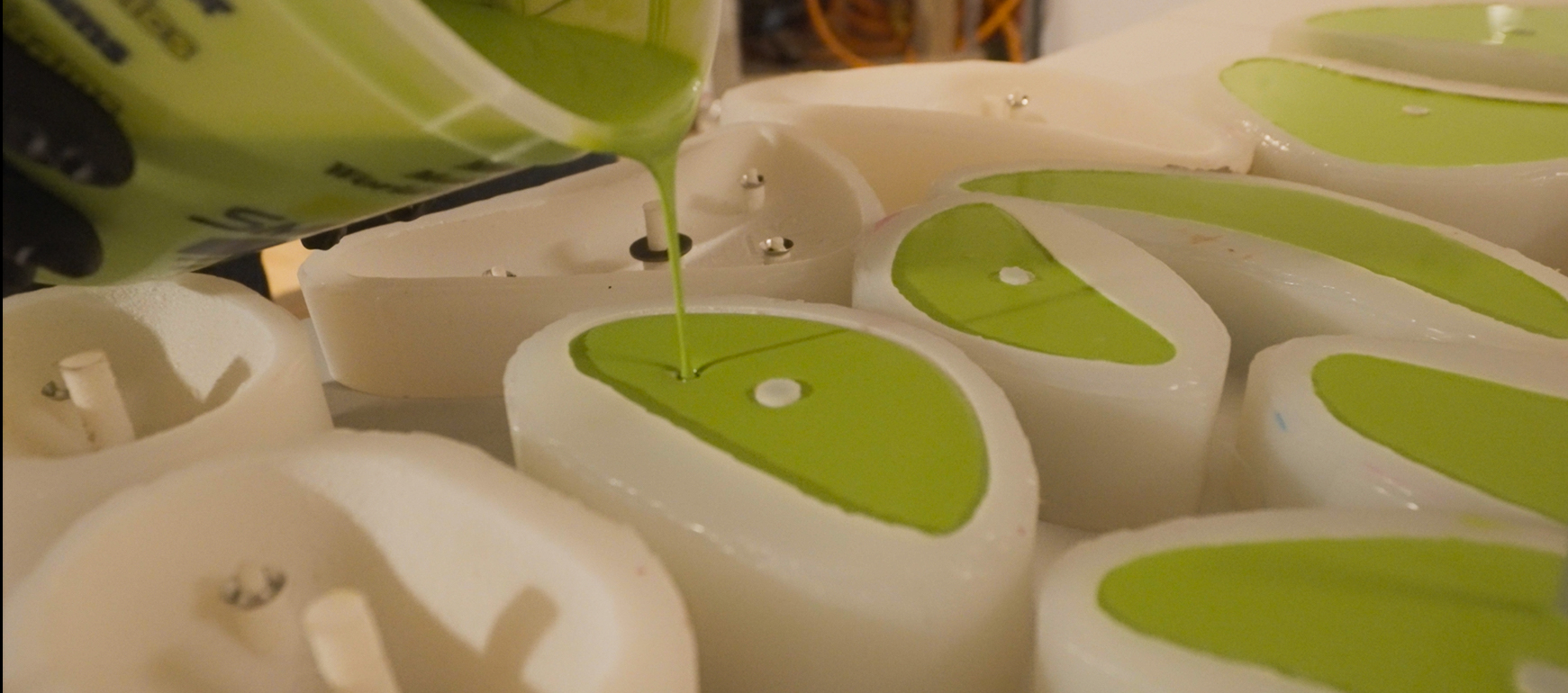
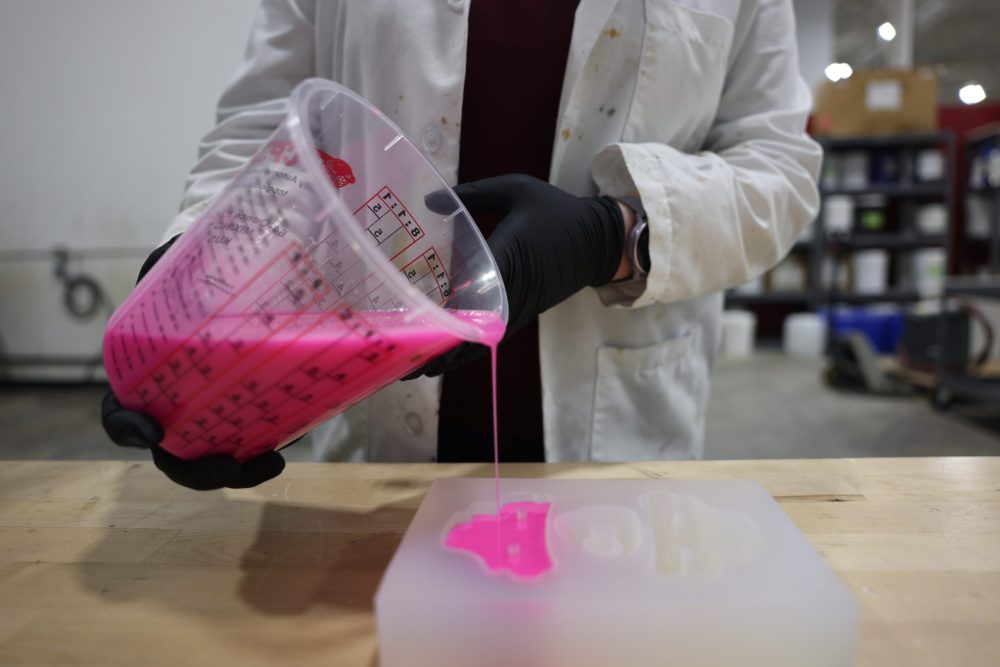
Temperature has a significant impact on resin casting performance. From material preparation to curing and final part quality, both ambient temperature and material temperature influence how resin behaves. Maintaining proper temperature conditions helps support consistent processing and reliable results.
Resins cure through chemical reactions that are sensitive to heat. Changes in temperature affect how resin flows, how long it remains workable, and how evenly it cures.
Key effects of temperature include:
– Changes in resin viscosity
– Variations in working and cure time
– Differences in surface finish and part consistency
Even small temperature shifts can influence overall casting quality.
Lower temperatures cause resin to thicken, which can make processing more difficult and slow down curing.
Cold conditions may result in:
– Reduced flow and limited detail fill
– Increased air entrapment
– Longer cure times
– Risk of incomplete or uneven curing
Resin cast in cold environments may appear cured on the surface while remaining under cured internally.
Higher temperatures reduce viscosity and allow resin to flow more easily. While this can improve mold fill, it also speeds up the curing reaction.
Warm conditions can lead to:
– Shorter working time
– Faster gelation
– Reduced time for mixing and pouring
– Increased risk of uneven curing if not controlled
Careful monitoring is important to prevent premature curing or surface defects.
Consistent temperature throughout casting and curing is just as important as the temperature itself. Fluctuations during the process can negatively affect part quality.
Stable conditions help promote:
– Uniform curing throughout the part
– Predictable demolding times
– Consistent mechanical properties
Avoiding drafts, cold surfaces, and sudden heat changes supports reliable results.
Resin temperature prior to use plays a critical role in processing. Materials stored in cold conditions may be difficult to mix evenly, while excessive heat can affect performance or shelf life.
Best practices include:
– Allowing materials to reach a stable working temperature
– Storing resins according to manufacturer guidelines
– Avoiding extreme temperature exposure during storage
Temperature influences every stage of resin casting, from flow and working time to cure behavior and final quality. By maintaining stable environmental conditions and properly conditioning materials before use, resin casting processes become more predictable, efficient, and consistent.
Have questions about a product? Want something custom made just for you?
Get in touch with one of our expert sales-representatives for more information about our products.
| Cookie | Duration | Description |
|---|---|---|
| cookielawinfo-checkbox-analytics | 11 months | This cookie is set by GDPR Cookie Consent plugin. The cookie is used to store the user consent for the cookies in the category "Analytics". |
| cookielawinfo-checkbox-functional | 11 months | The cookie is set by GDPR cookie consent to record the user consent for the cookies in the category "Functional". |
| cookielawinfo-checkbox-necessary | 11 months | This cookie is set by GDPR Cookie Consent plugin. The cookies is used to store the user consent for the cookies in the category "Necessary". |
| cookielawinfo-checkbox-others | 11 months | This cookie is set by GDPR Cookie Consent plugin. The cookie is used to store the user consent for the cookies in the category "Other. |
| cookielawinfo-checkbox-performance | 11 months | This cookie is set by GDPR Cookie Consent plugin. The cookie is used to store the user consent for the cookies in the category "Performance". |
| viewed_cookie_policy | 11 months | The cookie is set by the GDPR Cookie Consent plugin and is used to store whether or not user has consented to the use of cookies. It does not store any personal data. |