
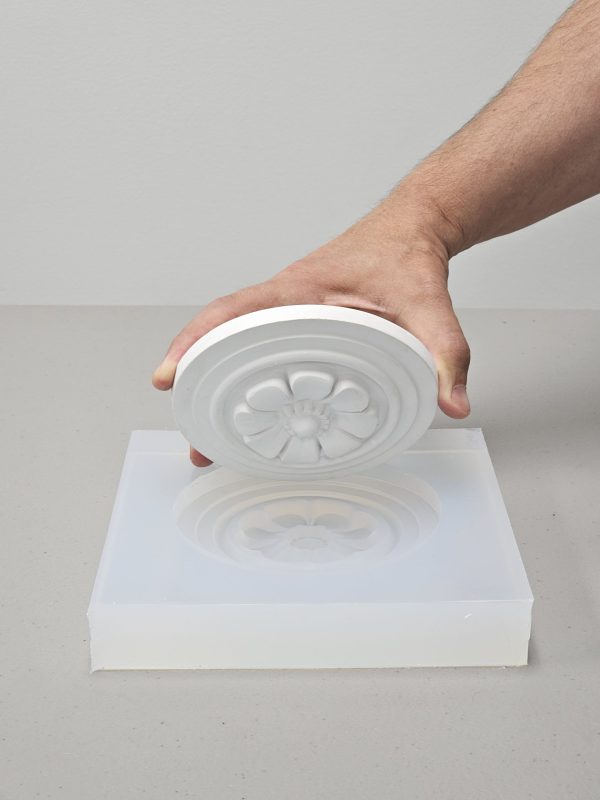
Silicone molds are one of the most important tools in your casting workflow. With the right care, they maintain their shape, surface quality, and flexibility through repeated use. This guide walks you through cleaning, storage, what to avoid, and best practices so your molds last as long as possible.
A well-maintained mold gives you:
– Cleaner finishes
– Easier demolding
– Fewer surface defects
– Longer overall lifespan
Improper care can dull the mold, distort details, or cause tearing over time
1. Rinse Immediately
Rinse your mold with warm water right after demolding. Cleaning early prevents materials from sticking and makes cleanup faster.
2. Wash With Mild Soap
Use warm water and a gentle dish soap.
Use:
– Soft sponge
– Soft cloth
Avoid:
– Abrasive scrubbers
– Steel wool
– Stiff brushes
– Cotton swabs (fibers can embed)
All of these can scratch or dull the surface
3. Rinse & Air‑Dry
Rinse thoroughly and let the mold fully air‑dry before storing it. This prevents dust from sticking and avoids mold‑to‑mold bonding during storage.
Silicone is flexible, but over‑stretching can lead to thinning or tearing, particularly in detailed areas. Gently flex or bend the mold just enough to release the part, avoiding unnecessary pulling or twisting.
Additionally, protect your mold from excessive heat and direct sunlight. High temperatures and UV exposure can degrade the silicone, reducing flexibility and accelerating wear.
Use a Mold Release When Needed
Materials like epoxy resin and some urethanes can cling to silicone, causing micro‑damage that builds up over time. A light mold release helps your mold last longer
Flex, Don’t Pull
To remove the cured piece:
– Gently flex or peel the mold
– Avoid overstretching the cavity
Overstretching leads to small tears, especially at corners or narrow areas.
Don’t Wait Too Long
Some materials (especially polyurethane resins) generate heat as they cure. Demolding on time reduces unnecessary heat exposure.
Store Flat
Store silicone molds flat with the detailed side facing upward to prevent warping or imprinting.
Don’t Stack Heavy Items on Them
Pressure can distort or permanently deform silicone.
Keep Molds Separate
Silicone can bond to other silicone over time. Store each mold separately or place parchment paper between them.
Avoid Sunlight & Heat
Silicone can degrade with long‑term UV or heat exposure. A cool, dry cabinet is ideal.
With consistent cleaning, gentle handling, proper storage, and occasional use of mold release, silicone molds can deliver reliable, high‑quality performance over many casting cycles. These straightforward care practices help preserve mold integrity and ensure smoother, more consistent results in every project.
For more information regarding caring for your mold, call RAMPF at 248.295.0223 or contact us through e-mail at online.support@rampf-group.com
Have questions about a product? Want something custom made just for you?
Get in touch with one of our expert sales-representatives for more information about our products.
| Cookie | Duration | Description |
|---|---|---|
| cookielawinfo-checkbox-analytics | 11 months | This cookie is set by GDPR Cookie Consent plugin. The cookie is used to store the user consent for the cookies in the category "Analytics". |
| cookielawinfo-checkbox-functional | 11 months | The cookie is set by GDPR cookie consent to record the user consent for the cookies in the category "Functional". |
| cookielawinfo-checkbox-necessary | 11 months | This cookie is set by GDPR Cookie Consent plugin. The cookies is used to store the user consent for the cookies in the category "Necessary". |
| cookielawinfo-checkbox-others | 11 months | This cookie is set by GDPR Cookie Consent plugin. The cookie is used to store the user consent for the cookies in the category "Other. |
| cookielawinfo-checkbox-performance | 11 months | This cookie is set by GDPR Cookie Consent plugin. The cookie is used to store the user consent for the cookies in the category "Performance". |
| viewed_cookie_policy | 11 months | The cookie is set by the GDPR Cookie Consent plugin and is used to store whether or not user has consented to the use of cookies. It does not store any personal data. |
